Argonne National Laboratory is a U.S. Department of Energy research center in Lemont, Illinois, just outside Chicago. Born out of the University of Chicago’s Manhattan Project work and chartered in 1946 as the nation’s first national laboratory, it is operated by UChicago Argonne, LLC and runs more than 20 research divisions and six national user facilities, including the Advanced Photon Source and the Argonne Leadership Computing Facility, home of the Aurora exascale supercomputer. Its work spans batteries and energy storage, nuclear energy, materials, quantum information science, and AI.
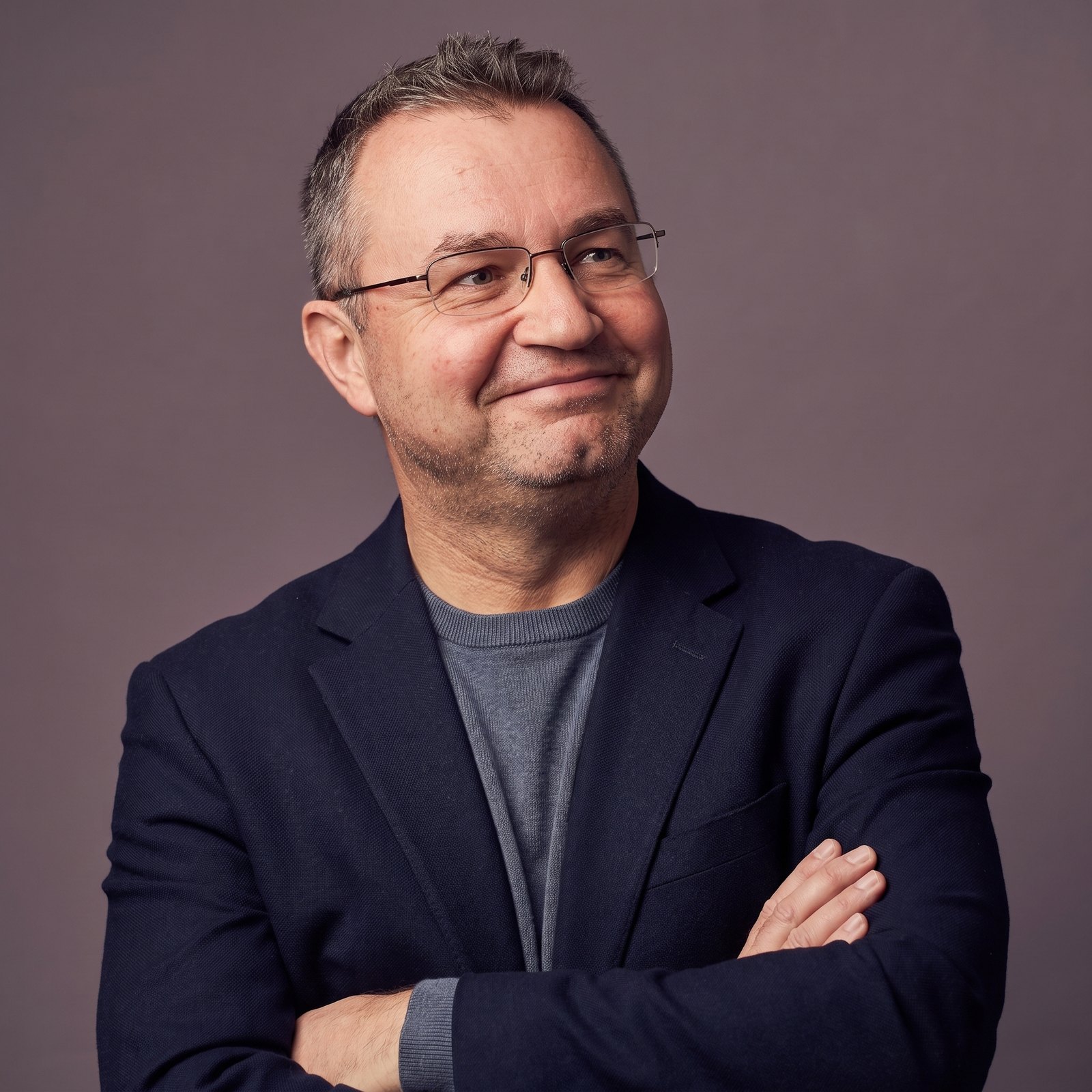
Ivan Kirchev is Argonne’s Chief Patent Counsel, responsible for the lab’s patent and IP strategy. He came to the lab after five years at JPMorgan Chase, where he was Executive Director of Intellectual Property and led commercialization, and before that spent years as patent counsel at Hewlett-Packard and in private practice. He holds a BS in computer information systems from the Illinois Institute of Technology and a JD from Loyola University Chicago School of Law.
Ivan Kirchev is the Chief Patent Counsel at Argonne National Laboratory, where success isn’t measured by quarterly revenue but by societal impact. After five years at JPMorgan Chase leading commercialization and improving patent processes, Ivan chose a role that puts him shoulder to shoulder with researchers working on batteries, nuclear inventions, quantum computing, AI, and data science. “Typically, I am not the smartest guy in the room,” he jokes. “That’s a good thing.”
Why a national lab, and why now
Argonne stood out for its reputation, and it felt like a once-in-a-generation opportunity: his predecessor held the role for nearly 30 years. The move lets Ivan work closer to first-principles research, a space he’s gravitated toward since his time at HP’s software and analytics lab and through his work with the quantum computing lab at JPMorgan. Argonne’s portfolio reaches far beyond what he expected, and it comes with a mission that keeps him inspired.
The lab exists to make Americans’ lives better. You keep that in mind in every IP decision.
Among many eye-catching efforts, one example captures Argonne’s mix of cool science and real-world value: the Advanced Moderator Module (AMM), a new containment technology for nuclear reactors. It uses hydride metals like yttrium hydride to control neutron movement inside a compact reactor core. This design allows reactors to hold more fuel and run longer between refueling. AMM could reduce costs and make it easier to build and operate nuclear reactors, especially microreactors.
The hard part isn’t the science. It’s the breadth.
Ivan’s greatest challenge at Argonne isn’t mastering the science itself so much as managing the sheer breadth of it. The lab’s research spans chemistry, bioscience, battery systems, nuclear technology, photon sciences, quantum computing, and more. For Ivan, that means learning quickly while building trust even faster. His approach is simple: start with relationships, then add the technical depth necessary to be useful.
At the core of my approach is building relationships, learning the technology, and meeting with people regularly.
By meeting researchers, understanding their goals, and investing time in the fundamentals of their work, he earns credibility and creates pathways for collaboration. That collaboration often requires patience. Argonne’s research is typically five to ten years ahead of industry. Commercialization doesn’t lag because the science isn’t ready, but because the market isn’t. For an IP team, that means measuring success differently than in corporate environments.
How the IP team works
Ivan’s team is small by design but works to have a big impact. He and a veteran IP paralegal anchor the legal side, collaborating daily with Argonne’s separate licensing and commercialization team, with three transactional attorneys focused on CRADAs and partnerships. Argonne also leverages experienced outside counsel who work closely with both the in-house legal team and lab researchers. Drawing on experience in both portfolio development and licensing, Ivan links the lab’s research to legal strategy and market outcomes.
Talking with Ivan is a reminder that IP isn’t just a corporate asset class. It’s a true public asset, too. The most complex technologies, like batteries, critical minerals, clean energy, and quantum advantage, need legal teams who can translate between science and society, balancing budget and mission with a ten-year view. Argonne’s IP function is small, but it sits at the center of that translation, helping ideas become capabilities that benefit everyone.
When asked what skills from his time in a fintech IP function carry over to Argonne, Ivan’s answer is simple: “Everything.” From portfolio building and valuation to commercialization strategy and regulatory awareness, each stage of his career has prepared him to look at problems through multiple lenses. The constant across those experiences has been working closely with researchers and adapting IP strategy to support their goals.
Mission over metrics
At a national lab, the goal isn’t to maximize patent filings or generate quick licensing revenue. What stands out most is the absence of rigid targets or looming deadlines. Without pressure to hit year-end numbers, the team can focus on stewardship: managing outside counsel thoughtfully, maintaining portfolio quality, and stretching limited budgets while still supporting breakthrough research.
Success is measured less by metrics and more by mission. Building collaborations that extend research and bring societal benefit often matters more than securing a near-term license, since those partnerships lay the groundwork for broader impact over time.
Partnerships and platforms
Partnerships are central to how Argonne operates. The lab’s world-class supercomputer and its major quantum computing program are designed to be used by a broad community of researchers and industry partners. For startups, the Chain Reaction Innovations program offers a unique on-ramp, bringing founders into Argonne’s ecosystem to accelerate hard-tech development.
Even when IP terms must align with federal rules, collaborations rarely falter. “Everyone understands the framework,” Ivan explains. “The clarity of the rules and the chance to work with world-leading scientists keep partners aligned.”
Security is non-negotiable
Given the sensitivity of much of Argonne’s research, security is non-negotiable. Physical access begins with guarded gates, while cyber protections remain a top priority. Because much of the lab’s work touches on national security, information security is essential. For corporate IP teams looking to strengthen their own safeguards, Ivan’s advice is clear: establish strong processes, adopt technology that enforces them, and make IP security a shared responsibility between legal and IT.
Advice for making the leap
For IP professionals considering a move from corporate to research organizations, Ivan’s advice is threefold:
- Invest in relationships until colleagues trust you with the problems that matter most.
- Stay curious about innovation and technology. You don’t have to be a scientist, but you should understand enough of the science to identify risk, opportunity, and fit.
- Remember the mission. At a national lab, patents and licenses aren’t trophies to be counted. They’re tools for impact.