


UNC Charlotte
The University of North Carolina at Charlotte is the largest university in the Charlotte region and, since February 2025, one of four R1 research universities in the state, alongside Chapel Hill, NC State and Duke. It spent $92 million on research in fiscal 2023, awards around 160 doctorates a year, and between 2020 and 2024 recorded 146 inventions, 239 patent filings and 18 spin-out companies, a rate that puts it in the top five nationally for patents and startups per research dollar. Its strengths run through computing, engineering, advanced manufacturing, energy and data science, and it anchors the city's North Tryon Tech Hub.
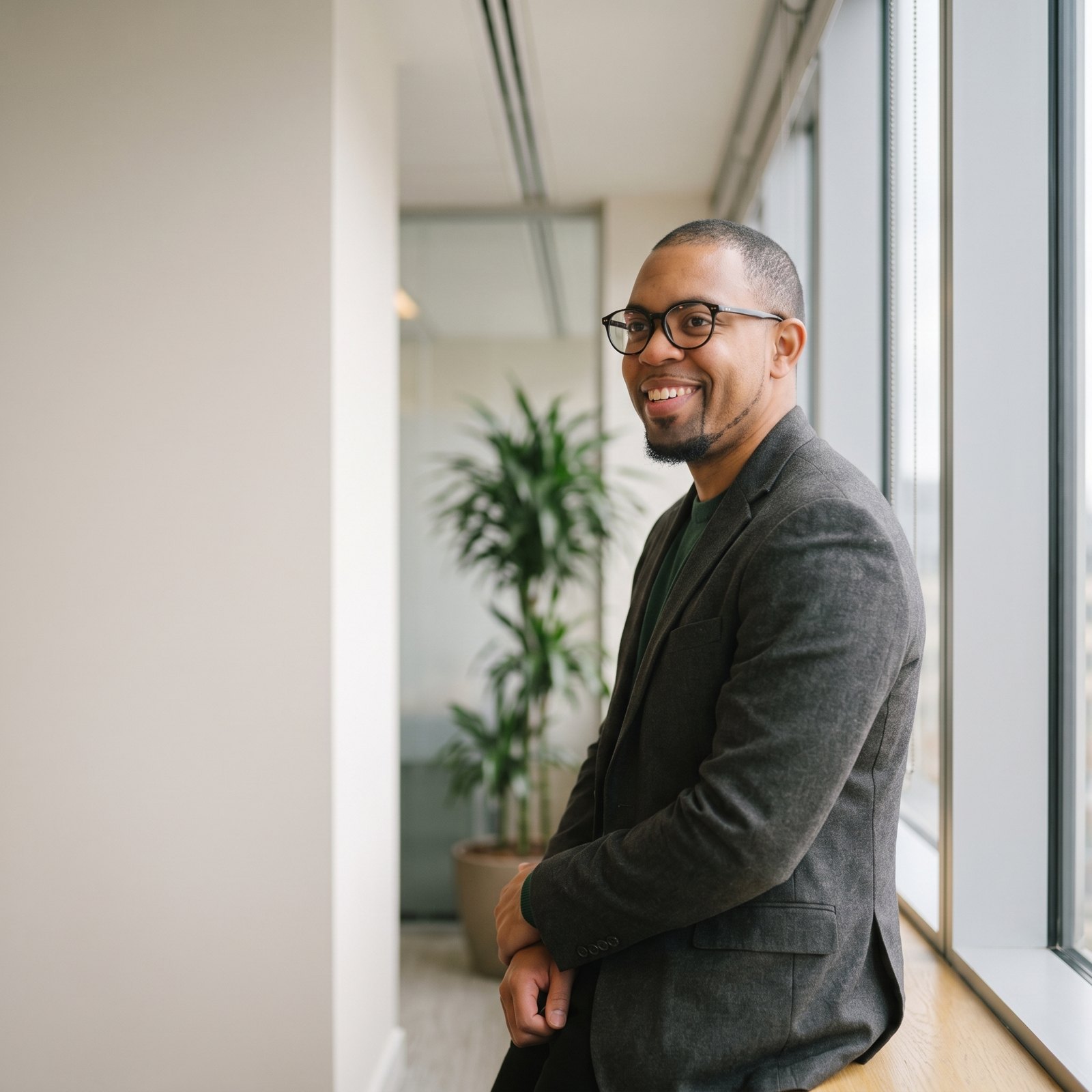
Brad Fach is Interim Executive Director for Intellectual Property and Technology Transfer at UNC Charlotte, where he handles new inventions, patent applications, licensing, company formation and the agreements that go with them. A registered patent agent with a master's in science and an MBA, he has filed more than 500 patent applications over 23 years, spent 16 of them negotiating and licensing patents, founded and sold a company of his own, and co-founded a patent filing service before joining the university.
Challenge
The office has two goals that pull against each other when staff is short: recognise and support the university's innovators, and get their research out of the lab and into the market. Like most technology transfer offices, UNC Charlotte's had more inventions, patents and agreements to manage than it had people to manage them.
The backlog made that concrete. Before Tradespace the office was carrying roughly three years of disclosed technologies that had never been fully assessed, ranked or posted for licensing. Posting them was in the strategic plan, with about a year budgeted for the work. And the databases the team had for its own portfolio only answered keyword searches: if the word "wind" was not in a title, nobody would find the wind technology.
We all seem to have more inventions and patents and agreements to manage than we have people. Having an AI tool that can really help you with that has been instrumental for our office, and totally worth it.
Tradespace Value
The first thing Brad noticed at onboarding was that the university's patents were already imported and categorised, including some he did not know it had. The office then loaded its full disclosure backlog into Tradespace and, for the first time, could see every technology on one dashboard, ranked against the others. That view, he says, has been the single most useful feature.
From there Tradespace generated short confidential and non-confidential summaries for each technology, and a small office posted 100 technologies for licensing in a few weeks. The strategic-plan item budgeted at a year was closed in a few months.
The categorised portfolio paid off again on a large clean-energy grant application. Instead of keyword-searching "energy," "grid" and "wind" across old systems, the team searched by category and surfaced a set of technologies and patents that did not match those words but belonged squarely in the sector.
If the word "wind" wasn't in the title, you would just never know you had that technology there. Using Tradespace, we could search by category and identify a whole bunch of technologies and patents that didn't fit those keywords but were within that sector.
For commercialization, the office now identifies likely licensees for a technology, finds key contacts and their email addresses, and reaches out to several companies in minutes, where researching a technology's advantages and its market used to take hours or days. Faculty notice: they can see the office working on their behalf. The time that comes back goes to what a small office cannot automate, which is meeting industry, researchers and students in person. With federal funding tightening, Brad expects tools like Tradespace to carry work that would once have needed two or three administrative staff, and to make offices like his more efficient and less of a cost to their universities.
- Three-year disclosure backlog assessed and ranked on one dashboard
- 100 technologies posted for licensing in a few weeks, against a year in the plan
- Licensee research and outreach in minutes instead of hours or days
With the extra time Tradespace saves us, our hope is that we can go out and network more, meet more industry, meet with our researchers and students more, and build up those personal connections.